

Overview
Strong focus on meeting customer expectations
Improved integration of a large number of status messages (< 150)
Delivery forecasts should be presented more clearly and
understandably
The service should clearly differentiate itself from competitors and strengthen the brand
High user volumes (1.7 million per day) require robust systems and optimized processes
Outcome
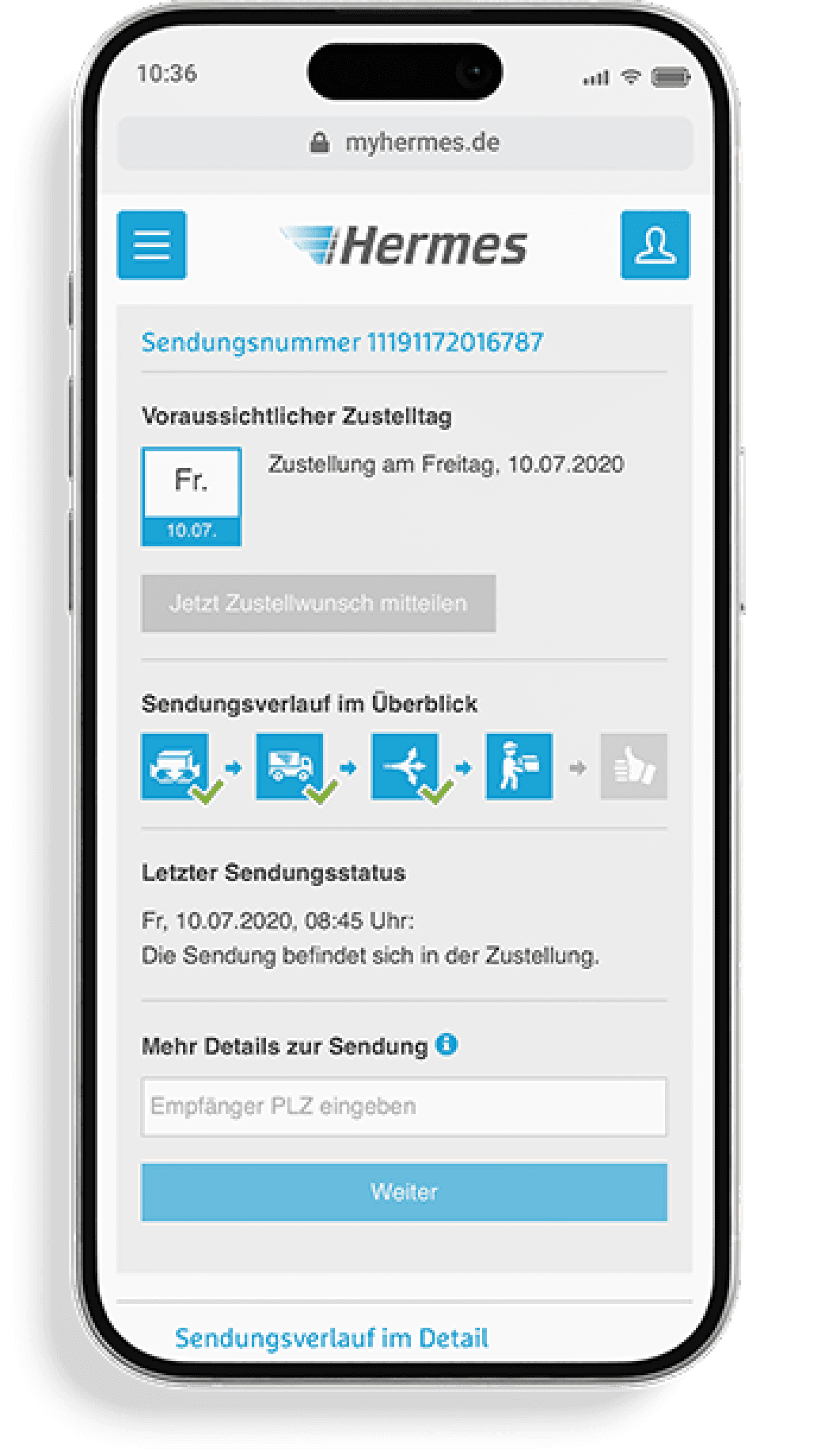
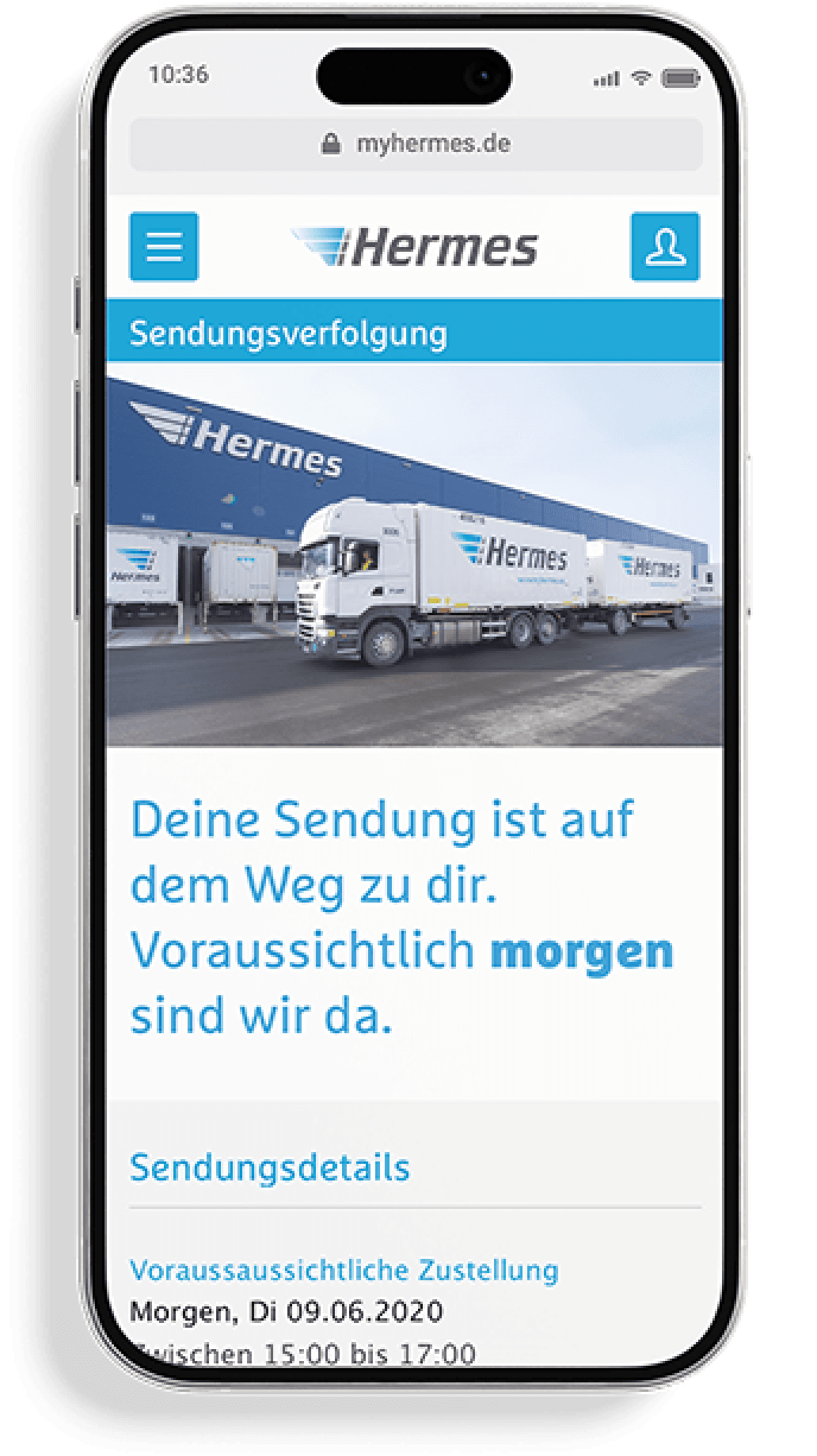
The new tracking experience highlights the emotionally significant moment of a parcel’s arrival for many recipients. It tells a visual story of the journey—from handover, through multiple transport steps, to delivery.
Delivery forecasts are presented more clearly and understandably
Prioritization of expected delivery time as the central piece of information
Integrate delivery options seamlessly to create a smoother, uninterrupted experience
Early user surveys showed a clear rise in customer satisfaction with the new parcel-tracking experience.
Integrating previously overlooked status information improved delivery-time prediction accuracy for all customers.
The tracking service with my redesign is 5 years after the relaunch still in use.
Challenge
The parcel tracking service sees high traffic with over 1 million visits per day. During the height of the Covid crisis paket delivery saw a steep increase in parcel delivery, but also an increase in customers dissatisfaction.
The redesign should increase the overall customer satisfaction and convince more customers to use one of four preferred delivery options, which reduces the time spend on a delivery considerably.
Role
UX Designer, UI Designer, UX Writer, setting user research goals in alignment with the product management
Tools
Team
Competitive Research
I started out with competitive research and analysing the first user testing, which was conducted prior to my joining the team with an internally created prototyp. The insights from this analysis helped to quickly come up with a new approach.
Journey & Blue print
I created a user journey to foster stakeholder and team alignment, mapped insights from the first user testing and used newly discovered states from the developers state discovery and extended the journey into a delivery blueprint draft.
Mobile UI Design
Accurately predicting the arrival of a package is the Achilles' heel of package tracking. My approach helped balance user needs with business restrictions and prediction shortcomings. I carefully composed all messaging around expectations management.
Prototyping
User testing
Three user tests were conducted by Eparo. I observed two of them and defined the research goals. The second test validated my redesign assumptions, while the third highlighted the importance of integrating delivery options.
UI Design
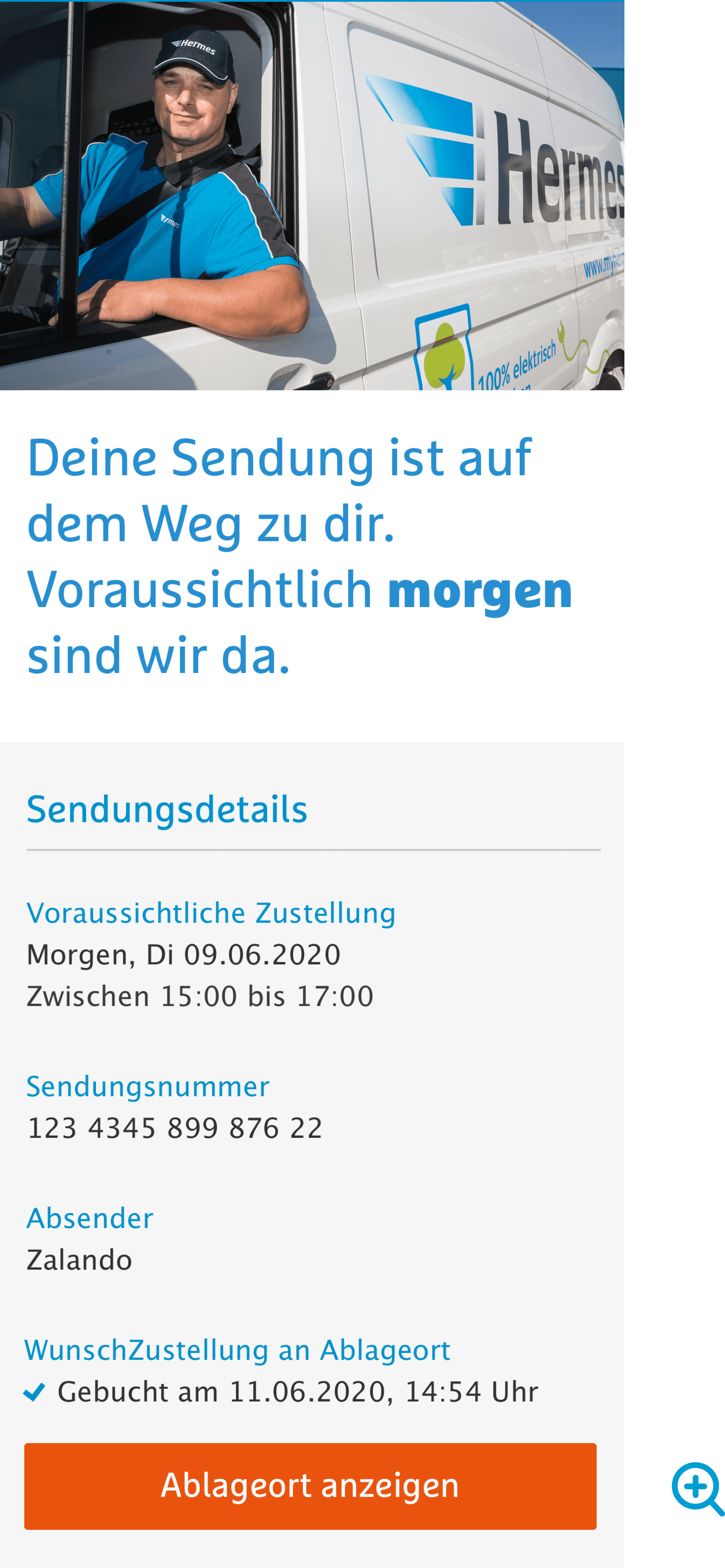
I had to bend some rules to achieve a new customer experience. For example the font size of the mobile headline was largely increased to be more easily read by the customers. I also avoid the required header banner and choose a plain image.
Competitive Research
I started out with competitive research and analysing the first user testing, which was conducted prior to my joining the team with an internally created prototyp. The insights from this analysis helped to quickly come up with a new approach.
Journey & Blue print
I created a user journey to foster stakeholder and team alignment, mapped insights from the first user testing and used newly discovered states from the developers state discovery and extended the journey into a delivery blueprint draft.
Mobile UI Design
Accurately predicting the arrival of a package is the Achilles' heel of package tracking. My approach helped balance user needs with business restrictions and prediction shortcomings. I carefully composed all messaging around expectations management.
Prototyping
User testing
Three user tests were conducted by Eparo. I observed two of them and defined the research goals. The second test validated my redesign assumptions, while the third highlighted the importance of integrating delivery options.
UI Design
I had to bend some rules to achieve a new customer experience. For example the font size of the mobile headline was largely increased to be more easily read by the customers. I also avoid the required header banner and choose a plain image.
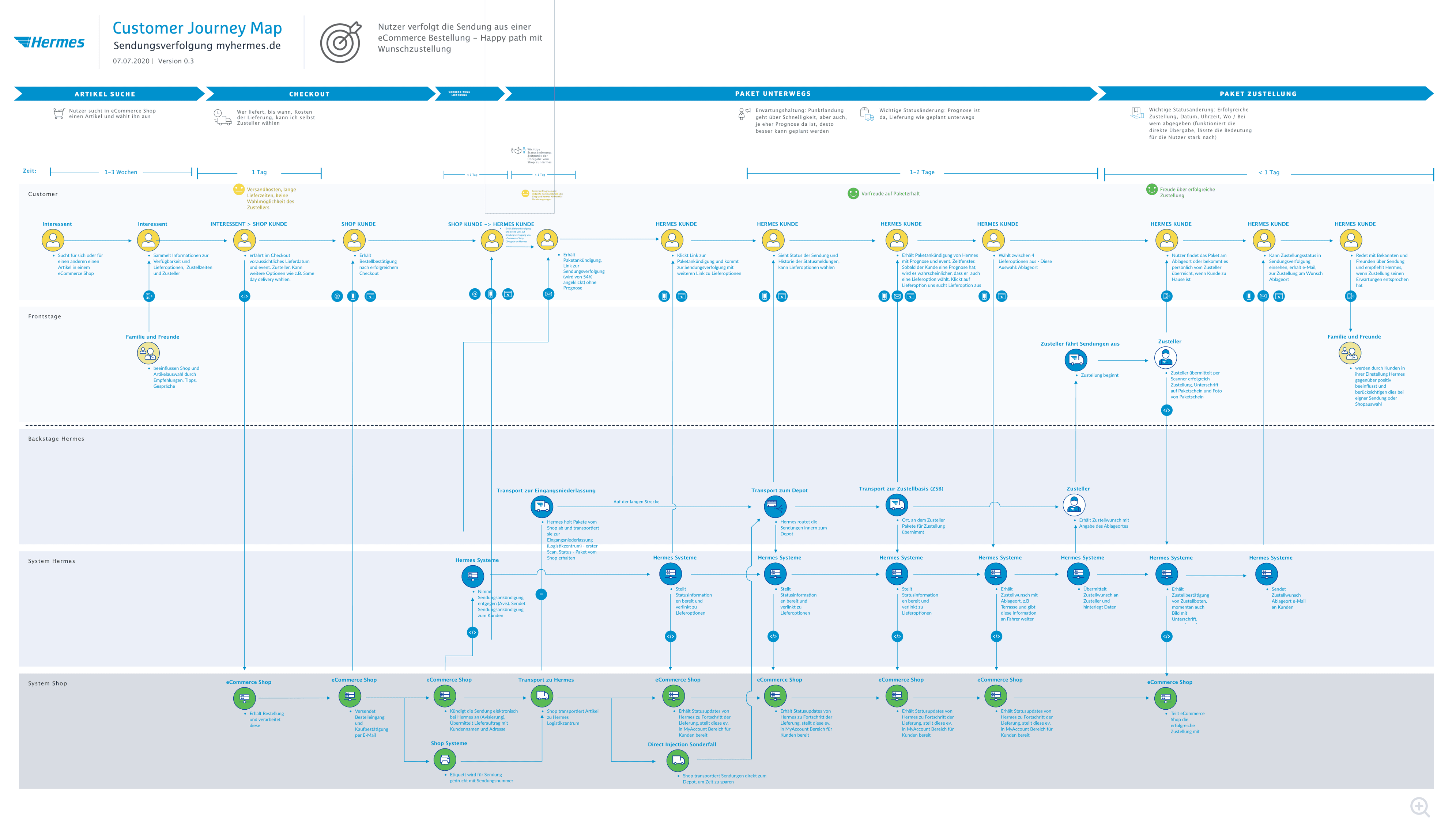
From User Journey to Service Blueprint
Mapping the journey from purchase to final delivery clarified users’ information and support needs. Interview insights revealed key pain points and potential breakpoints, which informed the customer journey map and guided early prototype testing. This work led to the first wireframes of the new solution.
Transforming the journey into a draft service blueprint helped the team identify additional points of departure for deeper exploration and improvement of the parcel delivery process.
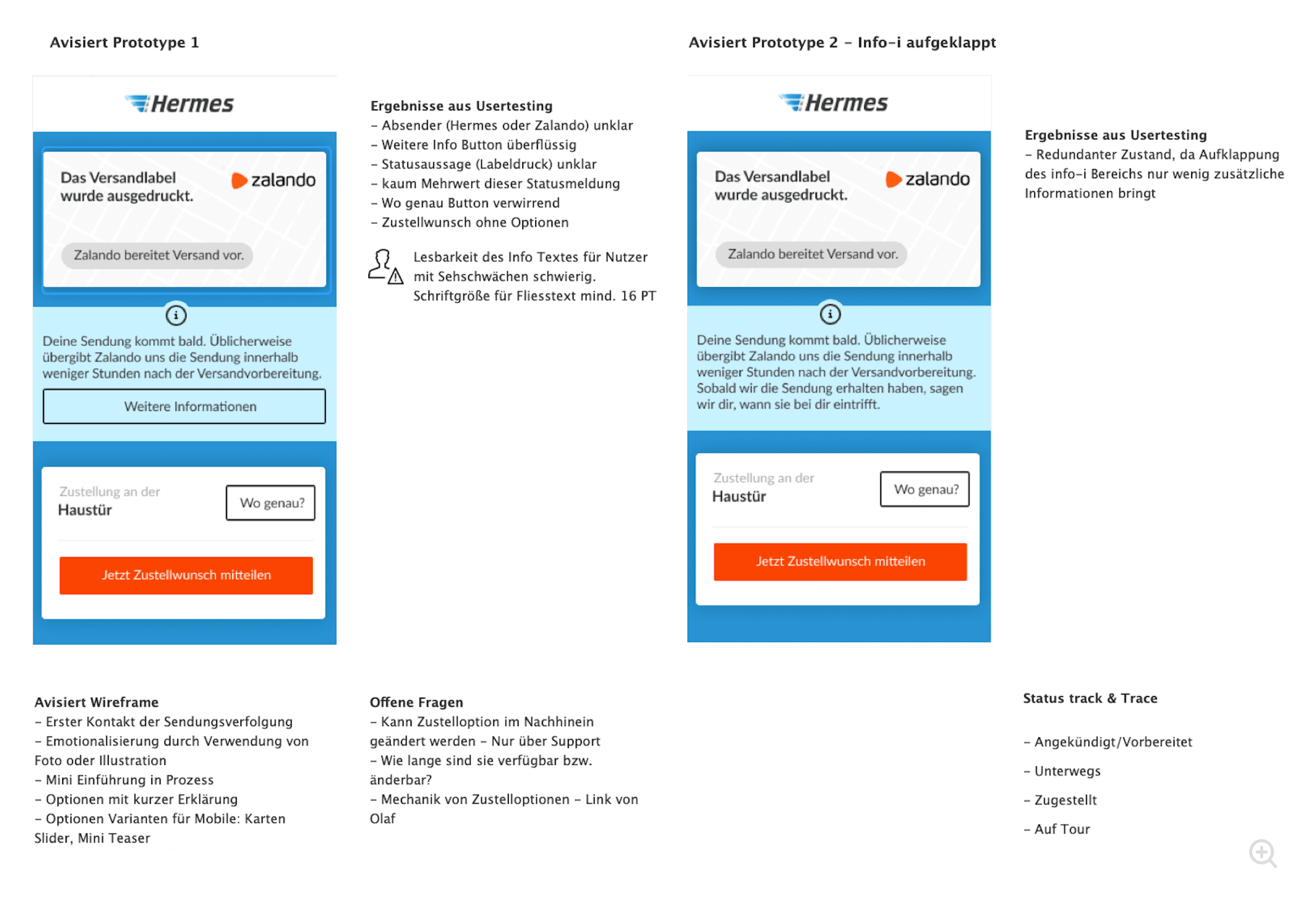
First user testing
Learning from First Test
Customers value short delivery windows, but meeting the promised time is more important. Expanding arrival windows improves reliability and better manages customer expectations.
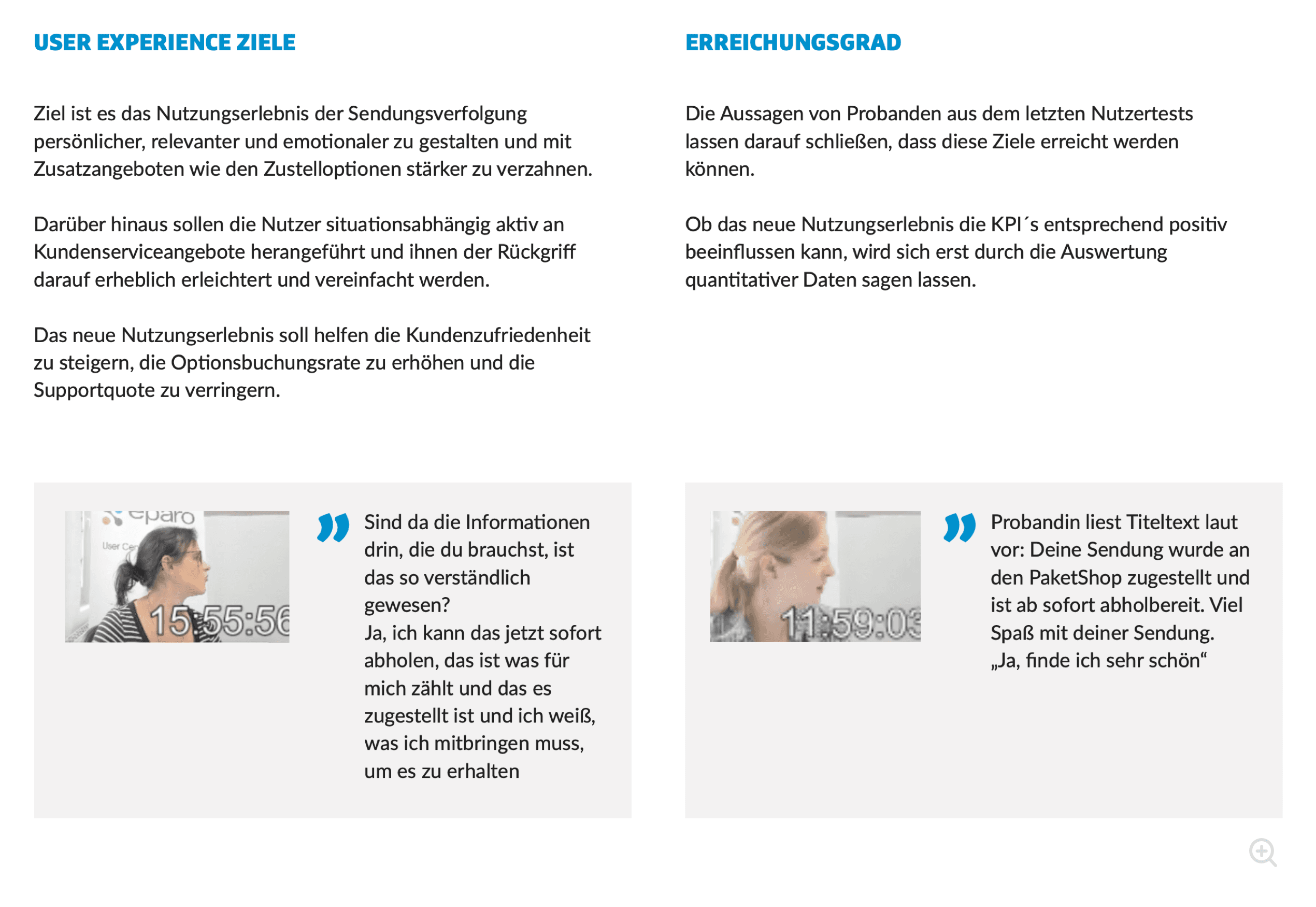
Second user testing
Validating the New Approach
The second test validated the new approach with very positive feedback. Personalization, clear messaging, and added visuals created a more engaging user experience.
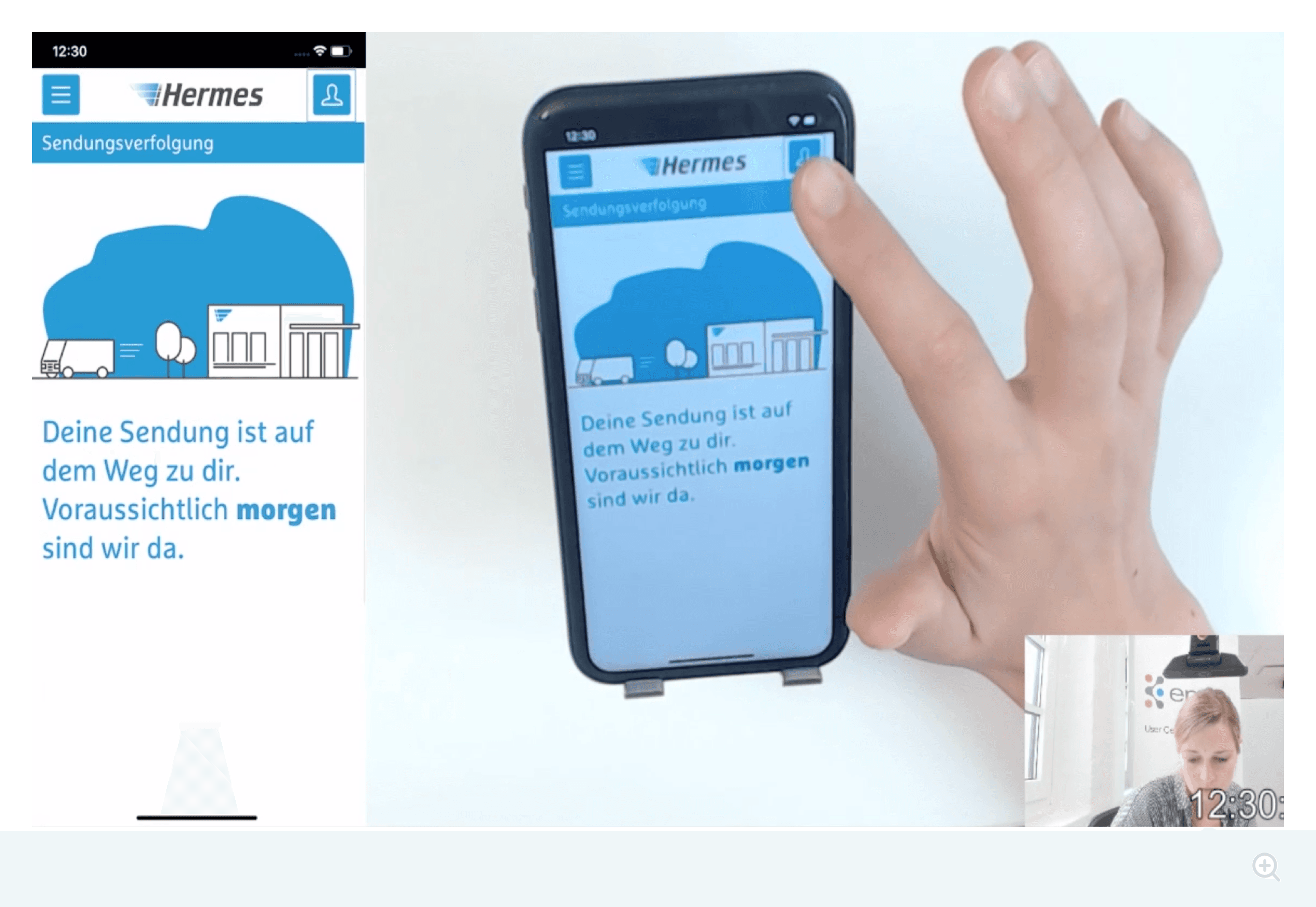
Third user testing
Testing Deposits & Visuals
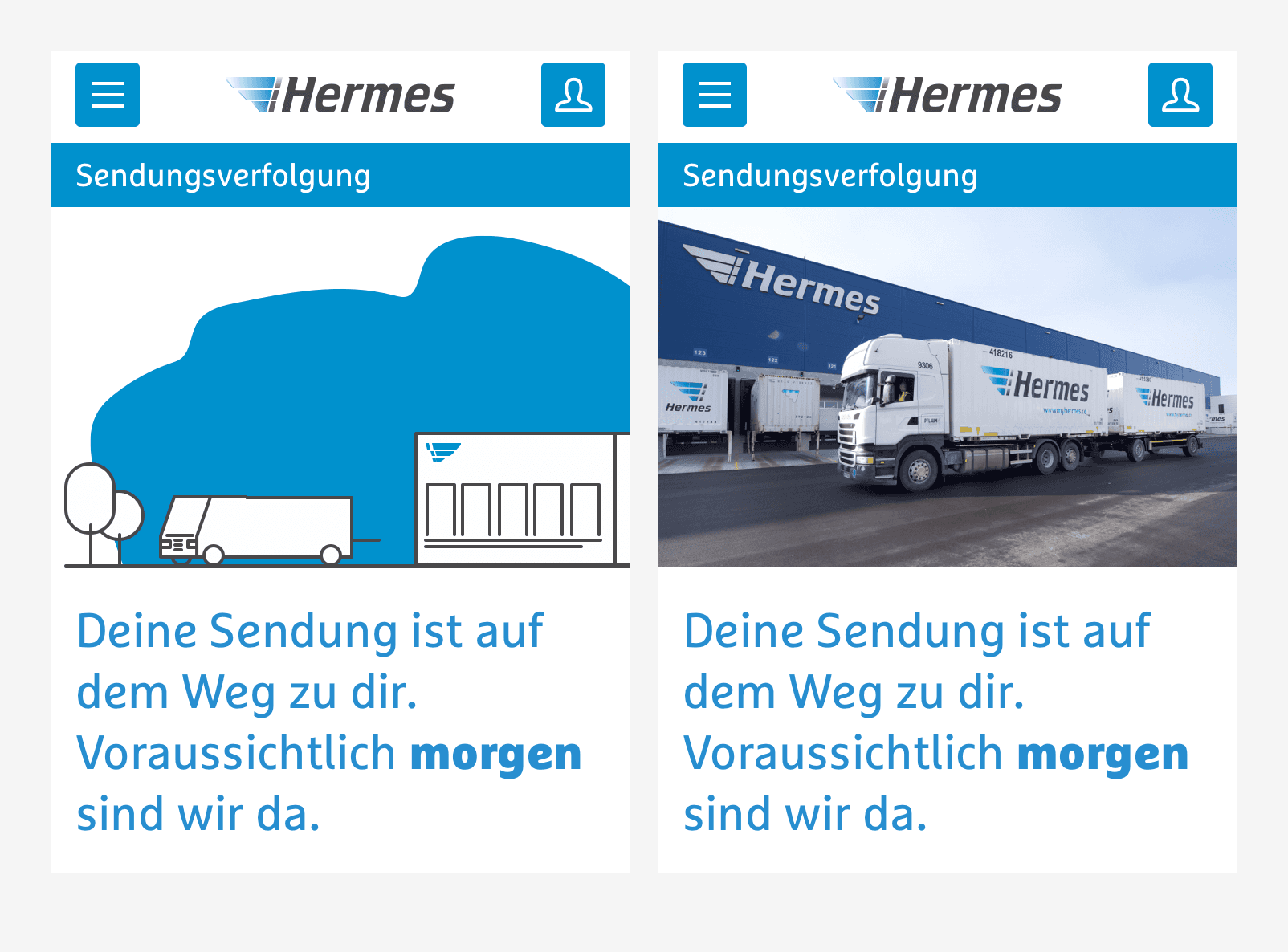
The third test focused on deposit options and visual preferences. Full integration cut bounce rates. Photos were favored, line illustrations less so, and isometric visuals rated lowest.
Mobile First Driven by User Behavior
A mobile-first approach was chosen based on usage and device data showing that parcel tracking is overwhelmingly accessed via smartphones. Together with the team, we decided to focus most efforts on mobile optimization to best match user behavior.
This ensured clearer prioritization, faster validation, and a stronger user experience. All user testing was therefore conducted with mobile prototypes, allowing realistic feedback and early detection of usability issues.
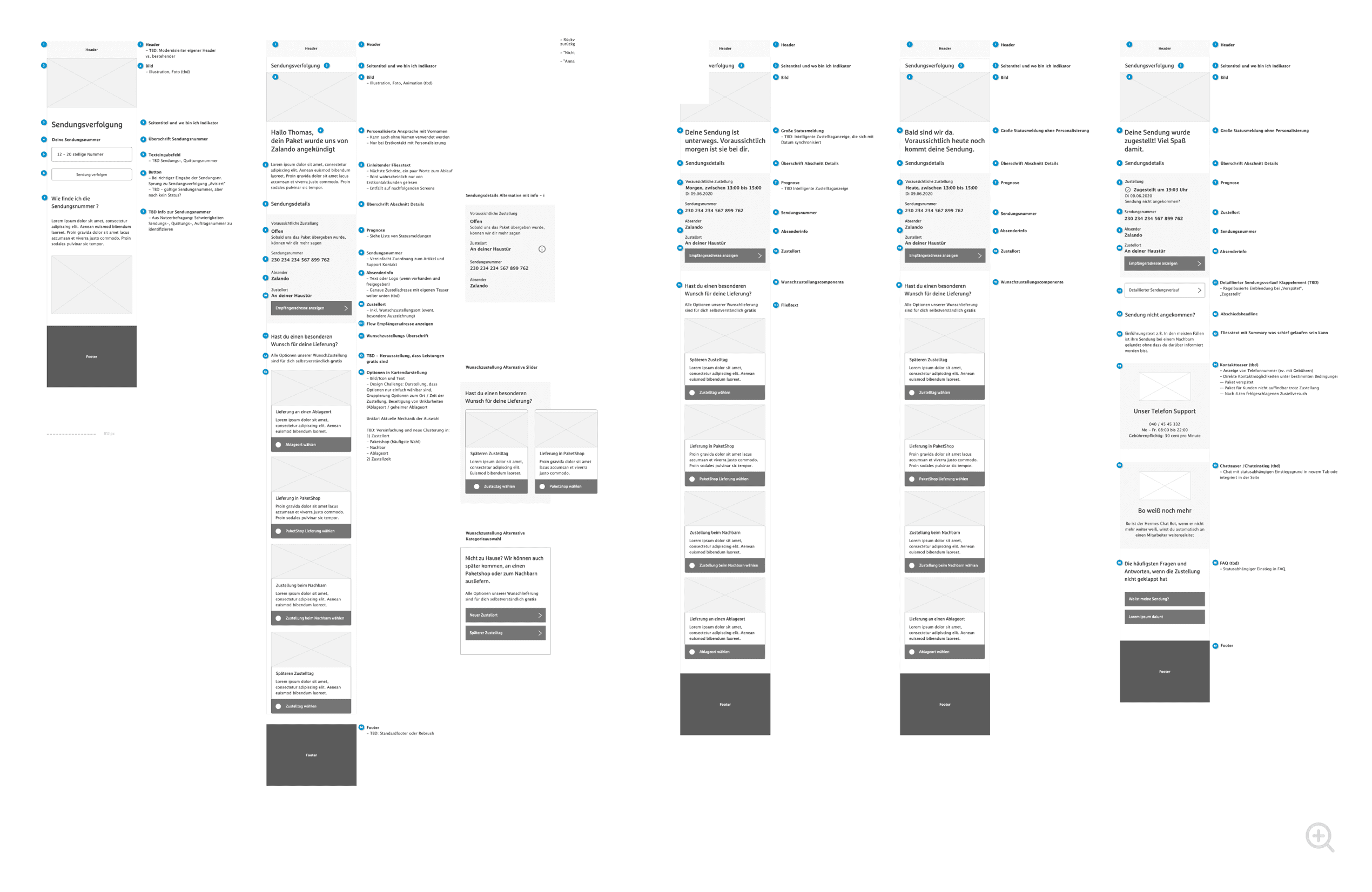
Wireframes
Working along the user journey
After the first user test analysis, I created wireframes for key journey states, focusing on structure and messaging to address interview-identified pain points.
Prototypes
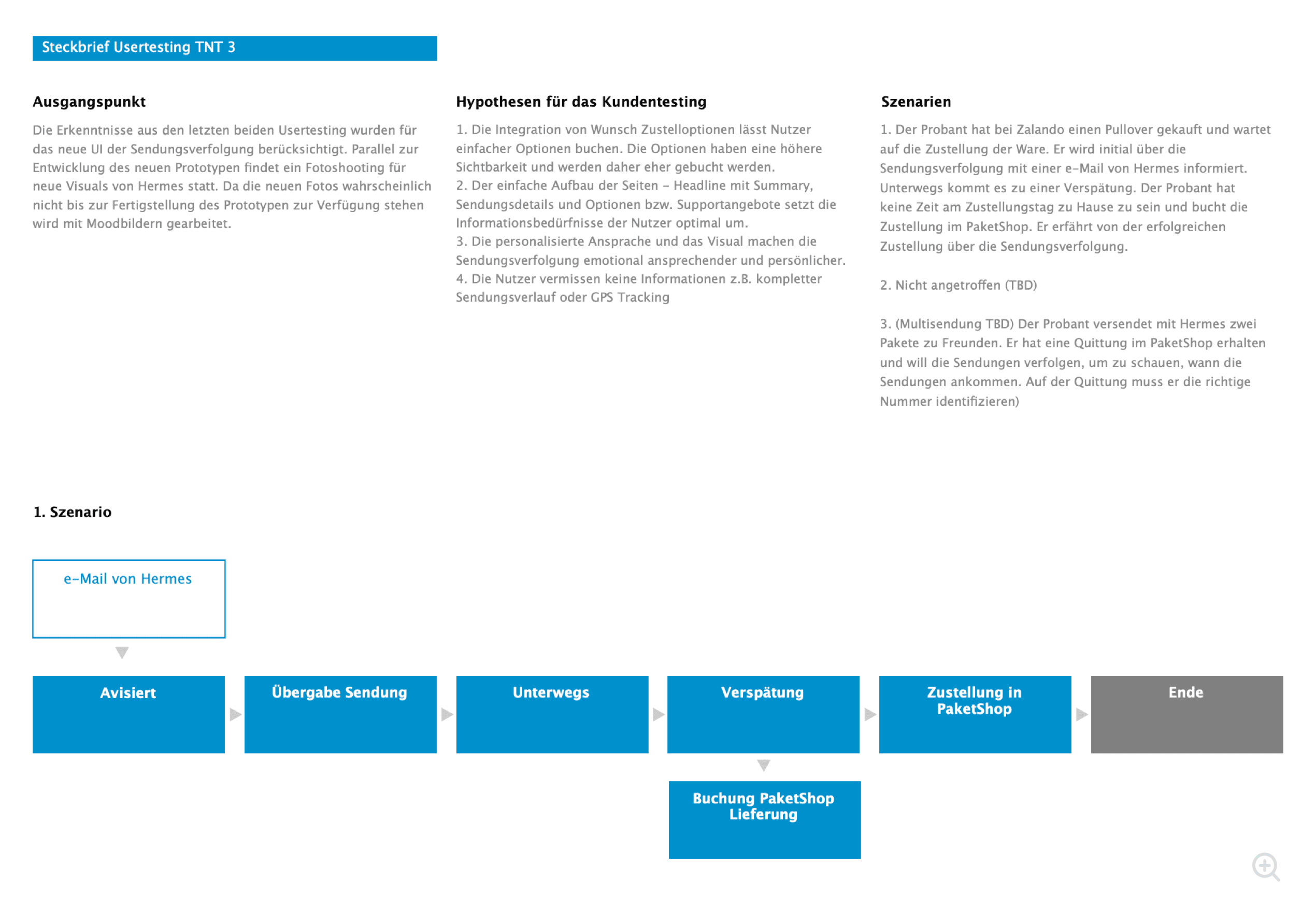
Research goals in mind
Together with usability agency Eparo, we conducted 24 in-depth interviews with customers and prospects. For each test iteration, I prepared briefings with clear research hypotheses and questions.
UI Design
Illustration vs. photos
For the final user test, I explored visual preferences. User photos performed best, illustrations less so, and isometric visuals failed. I chose photos after aligning with the in-house designer to piggyback on an upcoming photo shoot.
Pragmatic Desktop Optimization
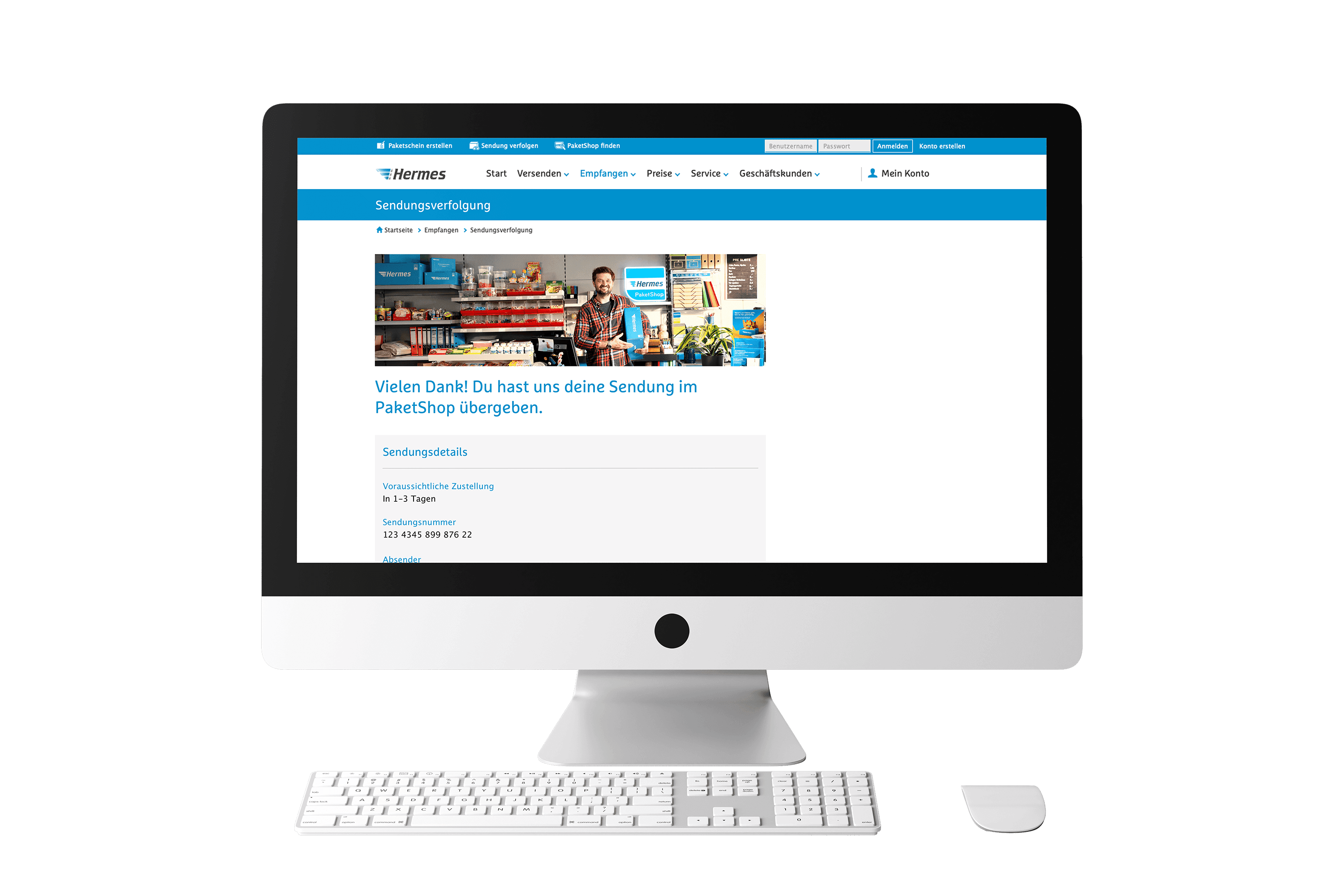
Desktop optimization had to be implemented quickly and efficiently due to time and budget constraints. From the start of the project, the team and stakeholders deliberately chose a mobile-first approach, which clearly limited the scope of desktop optimization.
Accordingly, I followed width constraints established in the legacy tracking experience and by competitors, using a two-column layout only for drop-off options.

Q&A with the productowner

Mark Wortmann, PO and IT Consultant, Hermes
How did I support you as a product owner?
"Eike designed a great user experience for our parcel track & trace service. He provided all design files and data needed for the development team. He verified the user guidance by user testing, which he helped structuring and organizing with an external agency."
How was my relationship with stakeholders?
"Eike had a good relationship with both the team and stakeholders."
How did I integrate into the team?
"He integrated well into the team, participating regularly at our Dailies and other Scrum events, due to the Corona pandemic he worked remote and joined the team by video conferencing."
What benefits have you experienced from working with me?
"He was tasked with optimizing the user experience of our track & trace service to convey a feeling of pleasant anticipation for our customers."
What surprised you about the project?
"The users in our initial interviews and later on just wanted to get the most essential information. They didn’t needed the more elaborate and fancy features like GPS tracking."
Eike Otto
Product & Service Designer
| All rights reserved | 2026